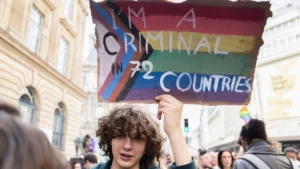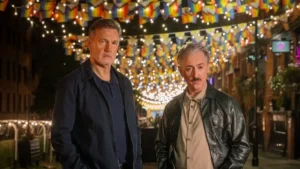
If you only read the studio headlines, 2026 might look like a lean year for LGBTQ+ representation. Look a little wider, though, and the picture changes: trans and queer stories are flourishing at film festivals, in independent cinema, across horror and on streaming, told by a new generation of filmmakers who are not waiting for a green light from the majors.
A widely cited GLAAD study did report a drop in LGBTQ+ characters in big-studio releases this year. But the fuller story of 2026 is about where queer and trans storytelling is thriving, and about the artists and festivals making sure these lives stay on screen.
Sundance Remains a Home for Queer and Trans Cinema
The 2026 Sundance Film Festival, its final edition in Park City before the move to Boulder and the first since founder Robert Redford’s death, once again put queer film front and centre. Its slate of projects by LGBTQ+ filmmakers included Gregg Araki’s I Want Your Sex, a return from one of the defining voices of New Queer Cinema, alongside Jaripeo, an impressionistic look at queer life inside Michoacán’s rodeo culture, and Barbara Forever, a documentary honouring pioneering lesbian filmmaker Barbara Hammer.
The queer slate ran deeper still. Olive Nwosu’s LADY followed a Lagos cab driver whose life is transformed by a sisterhood of sex workers, Paloma Schneideman’s Big Girls Don’t Cry traced a teenager’s discovery of desire and identity, and the documentary strand included Give Me the Ball!, a portrait of tennis great and LGBTQ+ icon Billie Jean King, plus a restoration screening of Araki’s 2005 landmark Mysterious Skin. Held from January 22 to February 1, the festival treated queer storytelling as central rather than a sidebar.
Programmers were candid about why that legacy matters. Speaking to Out, festival director Eugene Hernandez credited Redford with creating “a space where queer independent films could thrive and reach new audiences,” while programming director Kim Yutani noted it “wouldn’t be a Sundance without a Gregg Araki presence.” Crucially for trans visibility, the shorts programme featured Gender Studies, a film that follows a trans college student, keeping trans storytelling on one of independent cinema’s most influential stages.
What the GLAAD Numbers Actually Show
The context behind the celebration is a real one, and it deserves to be reported plainly. GLAAD’s annual film study, now renamed “Where We Are in Film,” found that of the 225 releases from the ten largest studio distributors in 2025, 46 films (20.4 percent) included LGBTQ+ characters, down from 23.6 percent the year before and a third consecutive annual decline. The report counted 112 LGBTQ+ characters across those films, and none of them were transgender.
The total number of LGBTQ+ characters also fell, to 112 from 181 a year earlier, and the study, which this year retired the “Studio Responsibility Index” name and its letter grades in favour of a focus on how central each character is to the story, found no LGBTQ+ characters at all in the year’s films rated PG and under. GLAAD framed the findings as a business problem as much as a cultural one. “If the industry doesn’t prioritize investing in films with LGBTQ characters, it risks losing a generation,” said GLAAD president and CEO Sarah Kate Ellis. Research director Megan Townsend pointed to the audience math, noting that Gen Z is the largest share of moviegoers in North America and that, per Gallup, more than one in five Americans under 30 identify as LGBTQ. The gap, in other words, sits with studio commissioning, not with the community or its appetite for these stories.
Horror and Mid-Budget Films Are Quiet Bright Spots
Even within the studio system, GLAAD singled out places where queer characters keep showing up. Horror was named a genuine bright spot, with LGBTQ+ presence in titles across the year’s slate, a continuation of the genre’s long history of speaking to outsiders and the fear of being seen. Mid-budget films, roughly in the fifteen-to-ninety-million-dollar range, were also highlighted as a consistent home for meaningful representation.
That pattern is telling. The stories are not disappearing so much as migrating toward the parts of the industry with room to take a chance, the genres and budgets where a queer or trans lead is treated as a creative asset rather than a risk to be managed.
Trans Storytelling Finds Its Champions
Trans representation remains the hardest-fought frontier, which is exactly why the people championing it matter. Festival shorts like Gender Studies, independent features built around trans characters, and the ongoing work of trans creators and performers are keeping these narratives alive while the biggest studios sit them out. On television, series that centred trans and queer leads have shaped a generation of viewers, from the run of Euphoria through its final season to a wave of ensemble dramas that treat queer life as ordinary rather than exceptional.
Behind the camera, the shift is just as important. A growing number of trans writers, directors and producers are shaping these projects from development onward, which is how you get stories that feel lived-in rather than researched from a distance. Casting trans performers in trans roles, once treated as optional, has become a baseline expectation for the productions doing this work well, and it is reshaping who gets to tell these stories and how.
The stakes are not abstract. When a young trans viewer sees a character who reflects their life, told with care rather than as a punchline, it changes what feels possible. That is the work these films and shows are doing, festival by festival and release by release, and it is why the champions behind them are worth celebrating.
Streaming and Indie Keep the Door Open
Streaming platforms and independent distributors have become the steadiest homes for queer and trans stories, precisely because they answer to a global, younger audience. Netflix, in particular, has built a track record with series that made queer coming-of-age stories mainstream, and the enduring popularity of shows like Heartstopper shows how much appetite there is when the stories are told with warmth and specificity.
Indie cinema plays the complementary role, incubating the boldest work and the newest voices before the rest of the industry catches up. Between the festival circuit, independent film and streaming, queer and trans creators have built a parallel pipeline that does not depend on a studio’s annual mood, and it is delivering some of the most vital work of the year.
Why Visibility Still Matters in 2026
The headline from GLAAD is worth taking seriously, but it is not the whole story of 2026. The audience is here, the creators are here, and the stories are being made, often outside the places that used to hold all the power. That shift is a challenge to the studios and a quiet vindication for everyone who kept telling these stories when it was harder to.
For queer and trans audiences, the takeaway is heartening. The best of this year’s on-screen storytelling is being written and directed by people who understand these lives from the inside, shown at the festivals that first championed queer film and carried to the world by streaming. Visibility is not a favour granted from above; in 2026, more than ever, it is being built from the ground up.
About The Author