
A San Francisco Label’s AI-Made Girl Group Sings of Touch in English and Korean
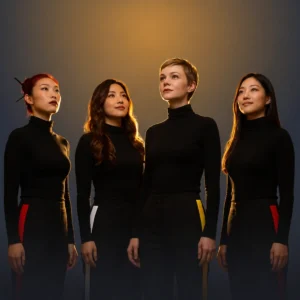
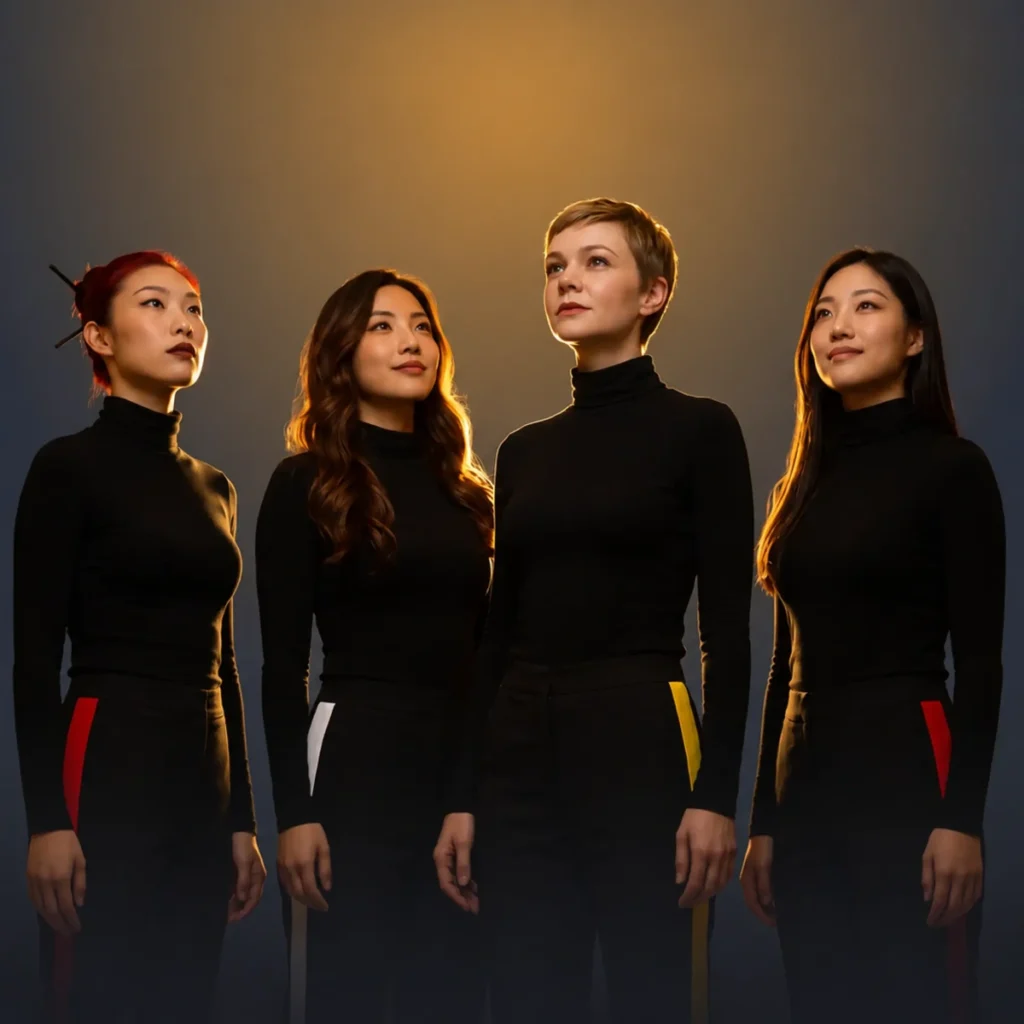
Past Mirea describe themselves as the first all-queer Korean-American pop girl group. Their label is just as plain about the rest: the members, their faces and their voices were all made with generative AI. Soft Static, released on 1 October 2026, is a hushed K-pop dance-pop single about touch and trust. It comes from the group’s first mini-album, Forward Pivots Along.
Past Mirea’s Soft Static has a place in our Queer Music Multi Genre playlist below, next to queer artists from many corners of the scene, and the group’s coverage is collected on the Past Mirea artist profile. The single came to QueerPeople.News through PopHits.Co Music Charts, which verifies independent artists and places their releases across its network of music news sites. Press play first, then read on.

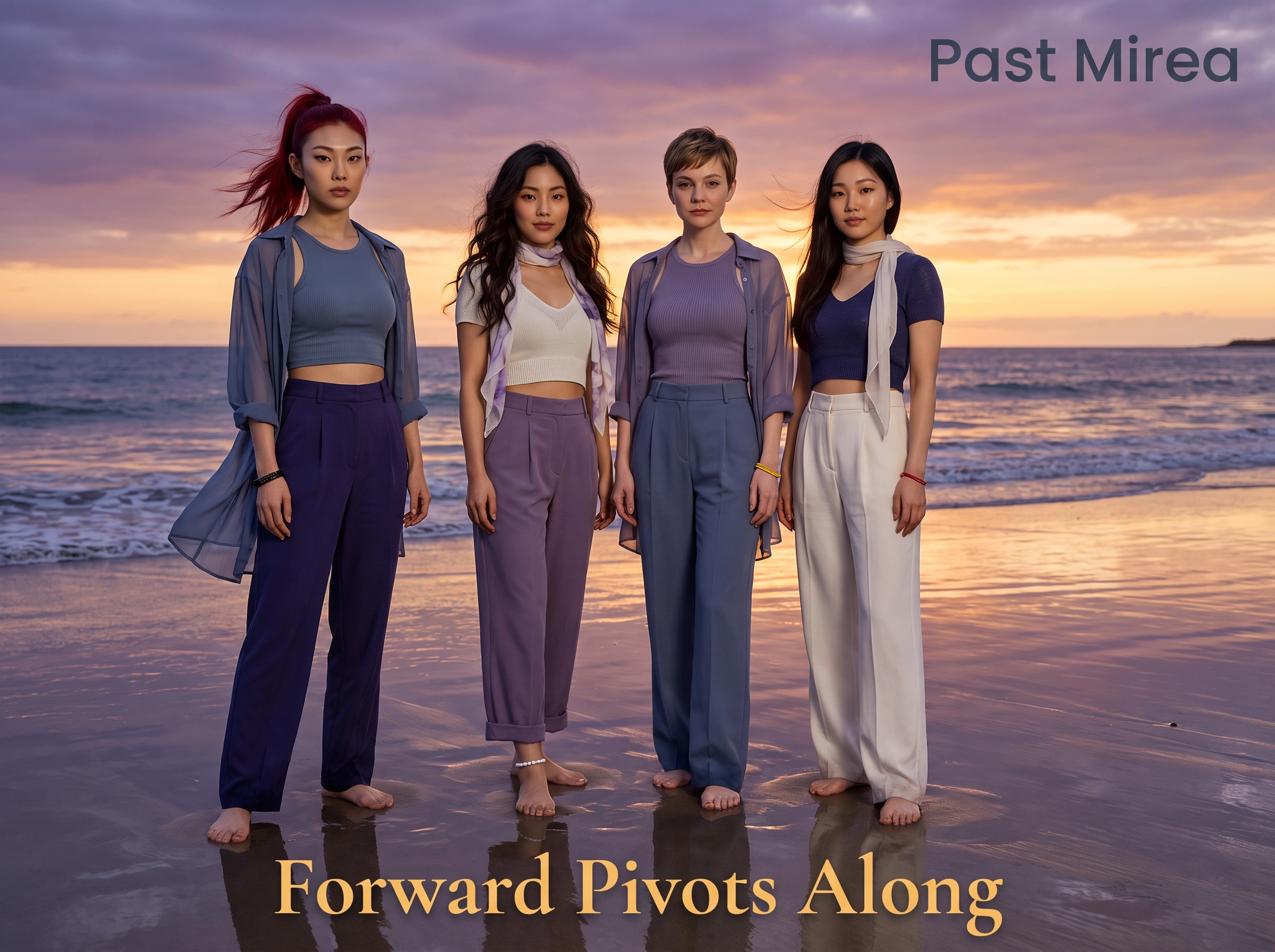
Queer K-pop Fans and the Curious Are Who Past Mirea Had in Mind for Soft Static
K-pop has rarely put queer love at its centre, and that gap is the reason the label gives for the project. Mirea Music, an independent label in San Francisco, launched Past Mirea in October 2025 as what it calls a transparent social experiment. The question behind it is simple: can listeners connect with artists who are entirely virtual, and even become fans? The label also says the aim is not to replace musicians.
The group’s four personas are Jesse, Lexi, Cori and Anna, each with a Korean name. Their songs are written from queer perspectives. So Soft Static speaks first to queer K-pop listeners who rarely hear themselves in the genre. It also speaks to anyone curious about where pop music and new technology meet.
The song itself is a love song for two people in bed, and it is gentle about it. The group’s own notes describe a song about touch, trust and the private language lovers share. In fact, the lyric moves between English and Korean. One Korean line translates as you are my one and only, while another simply means I love you. Meanwhile, the chorus keeps asking for the same thing: “Whisper soft and hold me tonight.”

Musically, the record sits between K-pop dance-pop, R&B and moombahton. In the verses, the generated voices stay close to the microphone, near a whisper. Underneath sit soft pads, warm sub-bass, finger snaps and synth arpeggios. Small recorded touch sounds, of the kind ASMR fans know, sit inside the mix too. Then the chorus widens into a bigger dance groove.
K/DA and PLAVE Opened the Door for Virtual Acts in K-pop
Virtual acts already have a history in K-pop. K/DA, built by Riot Games from four League of Legends characters, used real singers, including Miyeon and Soyeon of I-dle, Madison Beer and Jaira Burns. Its debut, Pop/Stars, passed 100 million YouTube views within a month of its 2018 release.
PLAVE, a virtual boy band from VLAST, went further in 2024. That year, Way 4 Luv won first place on Show Champion and Show! Music Core. It was the first Korean music show win for a virtual idol group. Past Mirea takes the idea further. Here the faces and the voices are both generated, and queer love sits at the centre of the songs.

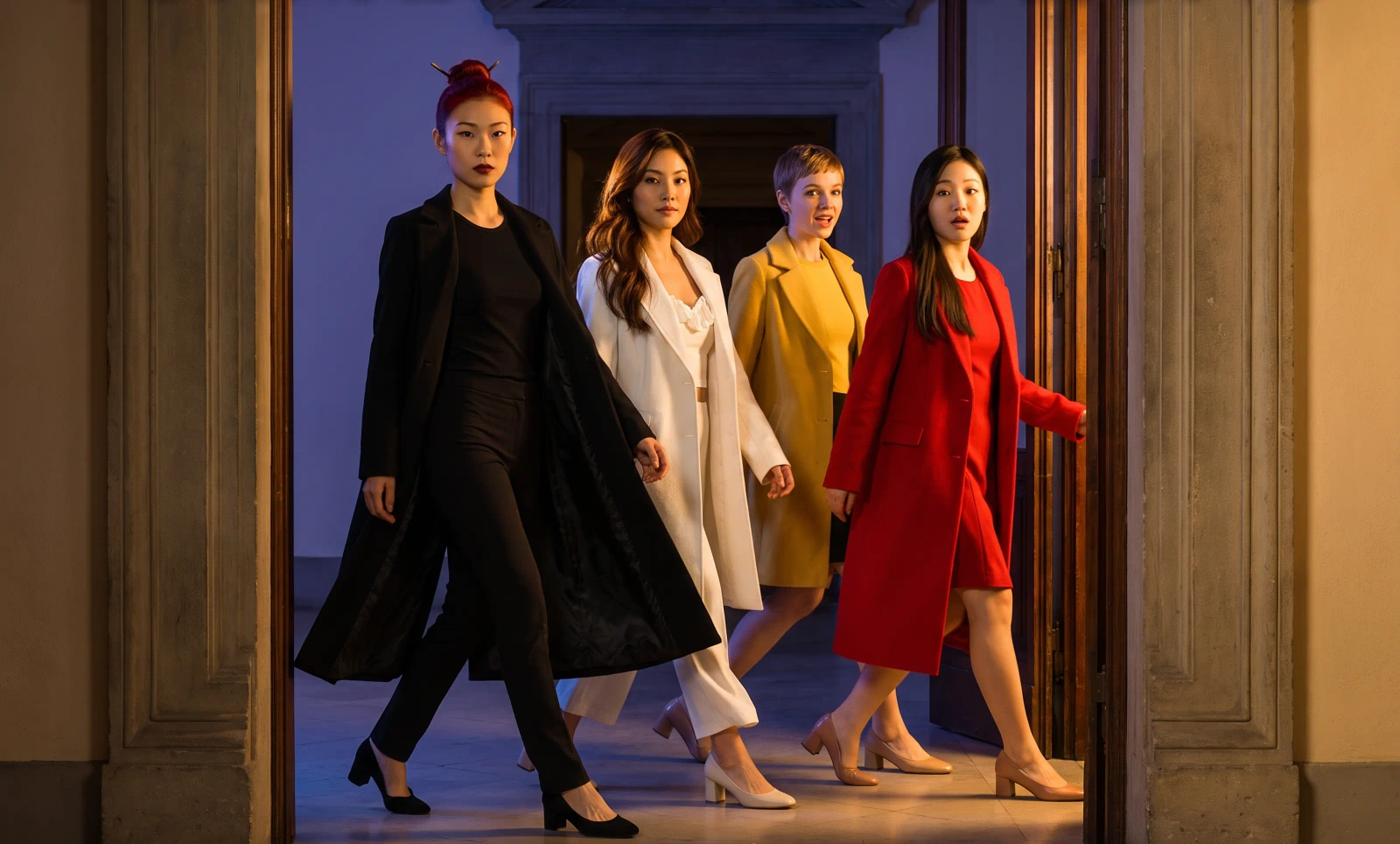
In Its First Year, Past Mirea Went From Runway Lights to a Mini-Album, With Community Radio Along the Way
The project has moved quickly. Runway Lights, the debut single, arrived on 23 October 2025, and the album Light Carried Forward followed on 16 December. Then, on 1 October 2026, the songs of Forward Pivots Along arrived, including Soft Static, Hairography, Watermelon Berry and Crash Landing.
Community radio was among the first to take notice. In Kansas City, 90.1 FM KKFI played Glow Riot and Velvet Voltage on its Siren Song show. Later, it played Born Inside the Storm on its Hallyu Wednesday programme in June 2026. After that, a music video for Hairography, which the group calls an ode to dancing hair, followed on 11 October.
The Community Around Past Mirea Reaches Into Classrooms
The label frames the community around the group as broader than fans. Mirea Music says it merges technology, art, education and social justice, and that it develops virtual, hybrid and real LGBTQ+ artists. Its website also offers guides for educators and facilitators. They can use them to lead discussions about the project in class or at work. As a result, Past Mirea can work as a starting point for conversations about representation, technology and what fandom means.
For a first listen, start with Soft Static on headphones, where the quiet details carry. Then watch the Hairography video. If the idea interests you as much as the songs, the group’s own account of the experiment is on the group’s website.
QueerPeople.News’s curator team:
“Soft Static saves its biggest moment for the chorus, but the details that stay with you are small: a snap, a breath, a Korean line that says I love you. It is a tender record, and one made in the open.”
Follow Past Mirea on Instagram, TikTok and their YouTube channel. Stream the music on Spotify, Apple Music, Tidal, SoundCloud and Bandcamp, or find every link on Linktree.










About The Author